
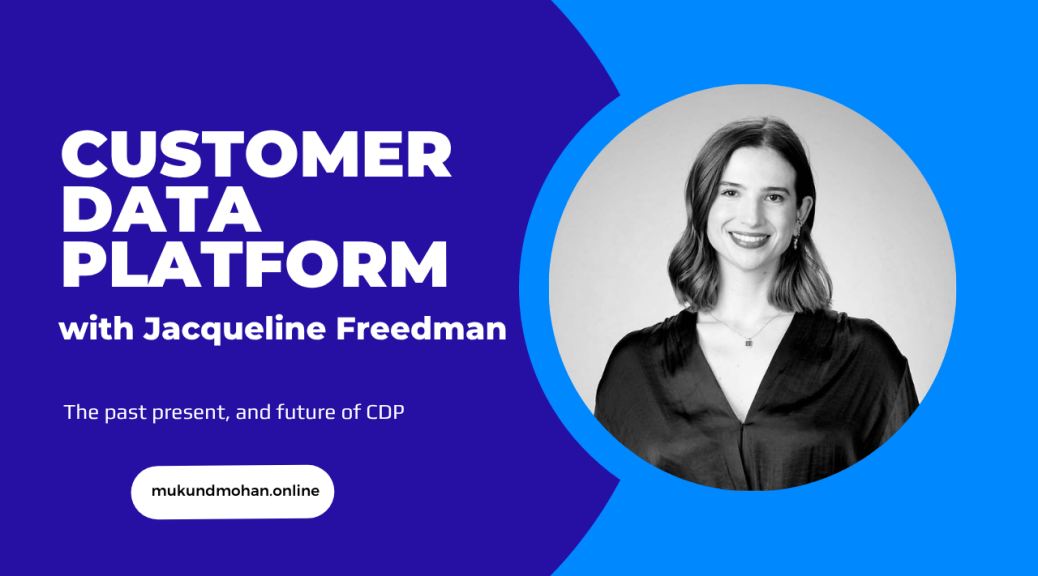
Okay, so let me tell you about this fascinating convo I just listened to with Jacqueline—she’s the founder of Monarch and has this amazing background in marketing ops, martech, and GTM strategy. She’s done time at big names like WeWork and Grammarly, built teams from the ground up, and now runs her own consulting firm. But the real juice? The deep dive she took us on about industry analysts like Gartner, Forrester, and IDC—and why their model might be totally outdated for today’s fast-moving tech world.
First off, Jacqueline kicked things off from sunny Dallas (on what she called “the best day of the year,” according to Miss Congeniality—yes, April 25th). And then we dove right into this big industry gripe that a lot of GTM folks quietly have: analyst firms aren’t actually helping as much as we pretend they are.
Back in the day—like 2005 through 2015—analyst firms were the gatekeepers. You were either on the “Magic Quadrant” or you weren’t even in the conversation. Big companies would lean on Gartner or IDC to tell them what tools to buy, what trends to watch, and what best practices to follow. On the other side, vendors would spend crazy amounts of money and headcount trying to get on these reports. Entire analyst relations teams were (and still are) a thing.
But here’s the kicker: Jacqueline points out that the velocity of change in tech, especially since OpenAI and ChatGPT entered the picture, has completely broken that model. Analyst firms are just too slow. She said it bluntly: by the time they publish a report, the world has already shifted. And the idea that these reports are gospel? Not even close. There’s solid research, yes—but it’s rarely enough to make strategic, forward-thinking decisions.

She even made this great point about how many of the companies that make it onto a Gartner quadrant have already invested huge internal resources—think six-figure salaries—just to engage and keep up with the analysts. It’s not officially “pay to play,” but it kinda feels like it, right?
Now, the most eye-opening part of the conversation? When she started talking about CDPs—Customer Data Platforms.
CDPs are supposed to be this holy grail for marketers, helping unify all your fragmented data (CRM, ad platforms, website analytics, transaction history, the works) into one place so you can take smarter actions. But Jacqueline’s take? Most CDPs are basically repackaging your own data and selling it back to you at a markup. It’s like taking Belgian chocolate, melting it down, putting it in a box, and selling it back to you at 150% of the price. She actually compared it to Nestle—super relatable.
The traditional CDP approach, she explained, involves a lot of data duplication and reverse ETL. You’re pulling data from your warehouse, transforming it, loading it into a CDP, then turning around and pushing it right back into tools like Salesforce or HubSpot. It’s inefficient and expensive. Especially when you already have that data sitting in Snowflake or Databricks.
Enter: Composable CDPs.
This is the part that had me really leaning in. Composable CDPs flip the whole thing on its head. Instead of duplicating and warehousing the same data in a new system, you’re building on top of your existing stack. You connect directly to your data warehouse and give marketers the power to build audiences and segments without needing SQL or engineering help.
She gave a real-world example from her time at Grammarly. They weren’t pulling marketing data into their warehouse at all, and she realized they were burning budget without activating on that data. So she brought in Hightouch (a reverse ETL tool), worked with the data team, and boom—they were able to feed insights directly into ad platforms, personalize campaigns better, and cut waste. Later, Grammarly even published a case study on it.
And here’s what’s wild: Composable CDPs don’t just help marketing. Jacqueline broke down how they make life easier for engineering and product teams too. With unified data definitions and access, everyone—marketing, sales, product, analysts—can actually agree on who the customer is, what they did, and how to act on it.
She also made a great point about segmentation. Take Grammarly again. They’ve got free users, premium users, and business accounts. Each of those has subsegments, and keeping that up to date across Google Ads, Facebook, LinkedIn, email, etc. is a huge lift. But with composable CDPs and tools like Hightouch, Census, or GrowthLoop, you can sync those segments every few hours, automatically. If you’re running big paid budgets, that pays for itself within weeks.
So what’s the takeaway?
Jacqueline was clear: analyst firms like Gartner aren’t useless—but they’re just not moving at the pace the market needs. And when it comes to martech, CDPs, and activation strategies, you’re better off doing the hard work internally and trusting your team to test, learn, and optimize.
And if you haven’t looked into composable CDPs yet, it’s time. They’re not just buzzwords. They’re a more agile, efficient, and actually understandable way to get value from your data—without burning budget or depending on clunky legacy platforms.
This episode was jam-packed and flew by—definitely worth a relisten. And Jacqueline? Total rockstar. She’s sharp, funny, and super practical. I hope she comes back on the show because we only scratched the surface.
Discover more from Mukund Mohan
Subscribe to get the latest posts sent to your email.
