There are over 4 million Indians in the United States and this includes those who are on business, work and other visas, besides American citizens of Indian origin.
Over 50% of Indians in the US are in the top 5 states: California, New York, Texas, New Jersey, and Washington.
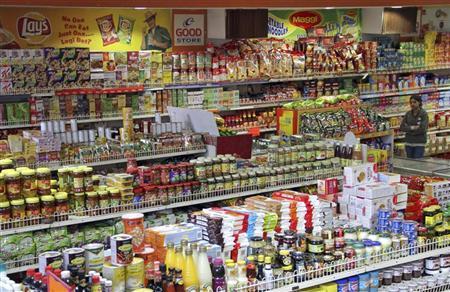
There are over 750 Indian grocery stores in the US as well.
The typical Indian grocery store is about 700 Sq. Ft, located in the suburb (not the major cities) and tends to operate on 21% net margins, with some items (biscuits, Indian vegetables) topping over 50%.
It is not unusual to see 100% markup on items such as masalas, basmati rice etc.
The stores are small, cramped, usually not in the best shape, in highly trafficked neighborhoods, and offer pretty poor customer services.
They all thrive though. The average ethnic grocer will experience a 29% closing ratio in the first 18 months, whereas Indian grocers experience < 10%.
The average Indian grocery store also makes about $350K to $1 Million (Sunnyvale, Santa Clara) in profits.
Most of the produce and the packaged food is rather old, some way past their sell by date and many products are rarely replenished quickly enough to categorize them “fresh”.

They all make money though, and are pretty profitable.
So why have they not been disrupted?
There are some attempts: Increasingly Wal Mart and Costco are offering Rice, some Dal and some packaged foods such as Ready to eat meals (MTR, Gits). The “Asian Foods” aisle at your local Safeway and QFC is also a good source of some spices and masalas.
There has been no large scale attempt to cut out the expensive Indian Grocery store. I can easily imagine the 100% monthly subscription model online store doing well, but of course, I am neither a supply chain expert, nor an expert in Groceries.
I am curious though, to learn why none of the ethnic stores have been replaced or are being threatened by Internet distribution and discovery.