
Notes from my discussions with multiple industry analysts and reading many reports.
There are multiple changes happening with autombiles:
- Move to software-defined cars for “features” to be bought as subscriptions
- Move to electric vehicles from internal combustion engines
- Autonomous car technology
- Electrification of the charging network
- The growth of China as the leading EV and automobile producer (vs. Japan and Germany in the last 4-5 decades
The challenges:
- Availability of raw materials – Nickle, rare earths, etc.
- Supply chain security
- Affordability
In 2022, electric vehicles (EVs) took 11% global market
share (up from 6.5% in 2021), expecting 20% penetration by 2025
and the most aggressive for 100% by 2030.
Globally, we now expect battery electric vehicles (BEVs) to reach 40% penetration by 2030, and xEVs to reach 80% by 2035.
EV forecast calls for battery capacity to rise from ~600GWh in 2022 to 2,700GWh by end of 2030.
China has seen new energy vehicle (NEV) adoption become increasingly consumer-driven, with the country blowing past NEV penetration targets — the government sought to achieve ~20% penetration by 2025; it saw 23.5% in the first eight months of 2022. Chinese buyers seem to
favor domestic EVs over foreign (German and Japanese) brands though, leaving foreign OEMs potentially playing catch-up with domestic brands.

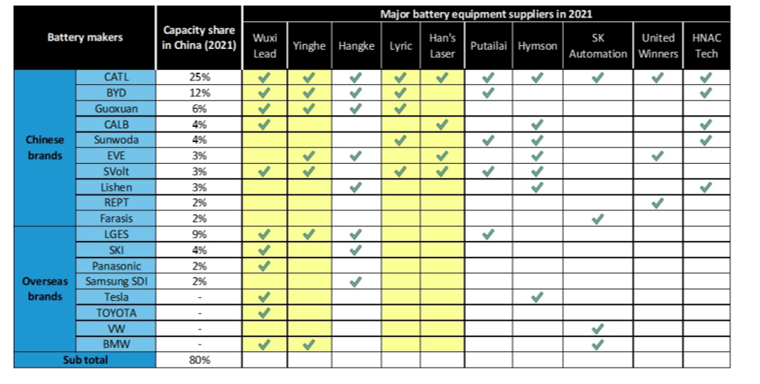
China represented close to 40% of the global battery
equipment market in 2021, up from 10%+ during 2016-19. Explosive growth over the past three years has been driven by sharply increasing investment in new energy industries.
Range anxiety over the switch from ICE to EVs has long been cited as a common impediment to greater EV adoption.
Discover more from Mukund Mohan
Subscribe to get the latest posts sent to your email.
