
Discover the top AI tools for sales prospecting in 2025 that can boost your outreach, improve lead quality, and streamline your sales process with innovative technology.
In today’s competitive sales landscape, leveraging artificial intelligence has become essential for prospecting effectively. As we look ahead to 2025, a variety of AI-powered tools are transforming how sales teams identify and engage potential customers. From automating outreach to analyzing data for better targeting, these technologies help sales professionals work smarter, not harder. Whether you’re a seasoned sales veteran or just starting out, understanding the best AI tools available can give you a significant edge in building meaningful customer relationships and closing deals faster. Let’s explore the top AI solutions that are shaping the future of sales prospecting in 2025.

Understanding AI in Sales Prospecting
What is AI-powered sales prospecting?
Imagine having a super-smart assistant that not only helps you find potential clients but also predicts who’s most likely to buy, when they’re ready, and how to approach them. That’s essentially what AI-powered sales prospecting tools do. These tools leverage artificial intelligence to automate and optimize the process of identifying and qualifying leads, making sales efforts more targeted and efficient. Instead of sifting through endless lists or relying solely on gut feeling, sales teams can now use AI algorithms that analyze vast amounts of data—from social media activity and website visits to industry trends and company financials—to pinpoint prospects with the highest potential.
In simple terms, AI for sales in the US, and globally, transforms raw data into actionable insights. It’s like having a crystal ball that helps salespeople focus their energy on the right people at the right time. Whether it’s through machine learning models that recognize patterns or natural language processing that understands customer intent, AI sales prospecting tools are revolutionizing how businesses approach lead generation and qualification.
Benefits of using AI tools in sales
- Efficiency Boost: Traditional prospecting can be a time-consuming game of trial and error. AI tools automate data collection, lead scoring, and outreach suggestions, freeing up sales reps to focus on closing deals rather than hunting for leads.
- Better Lead Quality: AI algorithms analyze multiple data points to identify prospects who are genuinely interested and ready to buy, reducing wasted effort on cold leads.
- Personalization at Scale: Using AI, sales teams can craft highly personalized messages based on a prospect’s behavior, preferences, and pain points, all at scale. This increases engagement and conversion rates.
- Predictive Analytics: AI doesn’t just tell you who to target; it predicts future buying behaviors, helping sales teams prioritize leads most likely to convert soon.
- Data-Driven Decisions: With AI, sales strategies are based on concrete data rather than intuition, leading to more consistent and successful outcomes.
- Competitive Edge: Companies using the best sales prospecting software 2025 and AI sales prospecting tools stay ahead of the curve, adapting quickly to market changes and customer needs.
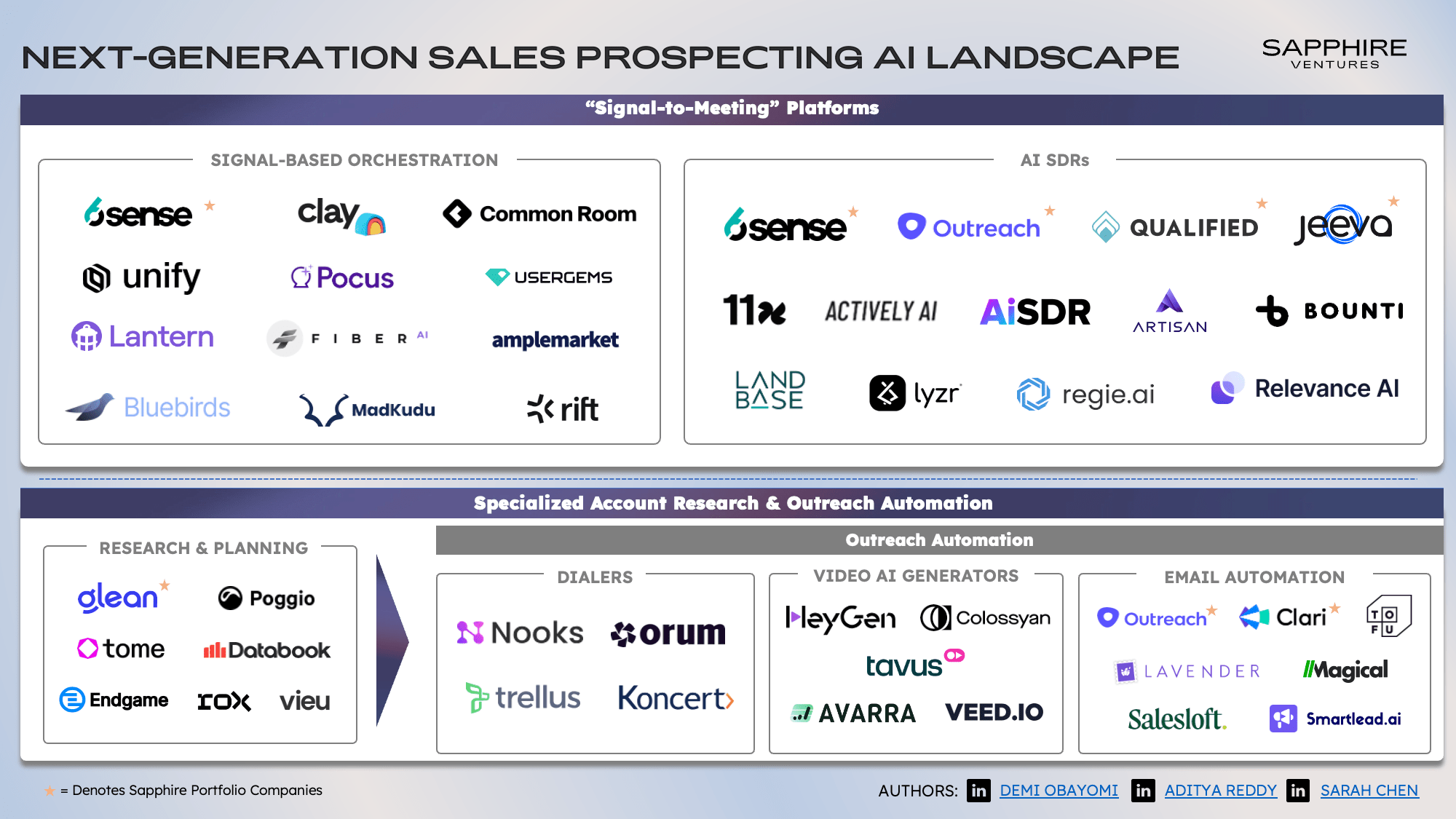
How AI is changing the sales game in 2025
Fast forward to 2025, and the landscape of sales prospecting has been completely reshaped by AI. The best sales prospecting software 2025 isn’t just about automation; it’s about intelligent automation that learns and evolves with your business. Here’s how AI is truly changing the sales game:
- Hyper-Personalization: AI tools now craft individualized outreach messages that resonate deeply with prospects. They analyze social media activity, recent news, and even tone of voice to tailor communications that feel genuine and relevant.
- Real-Time Insights: Sales teams have access to real-time data streams, allowing them to adjust their strategies on the fly. For example, if a prospect shows increased engagement, AI can suggest the perfect moment to follow up.
- Automated Lead Qualification: AI-driven lead scoring models continuously update based on new data, ensuring sales reps focus on the most promising leads without second-guessing.
- Enhanced Customer Understanding: AI tools synthesize customer data from multiple sources, providing a 360-degree view of prospects. This helps salespeople understand pain points, preferences, and buying triggers more deeply than ever before.
- Predictive Sales Forecasting: Using historical data and machine learning, AI can forecast sales trends and individual deal probabilities, enabling smarter pipeline management.
- Integration with Other Technologies: AI seamlessly integrates with CRM systems, marketing automation, and communication platforms, creating a unified ecosystem that boosts overall sales productivity.
- Reduced Bias and Improved Diversity: AI can help eliminate unconscious biases in prospecting by focusing purely on data-driven signals, fostering more diverse and inclusive sales pipelines.
In the US and worldwide, businesses leveraging AI for sales are not just keeping up—they’re setting the pace. As AI continues to advance, the best sales prospecting software 2025 will become even more intuitive, proactive, and capable of turning raw data into revenue faster than ever before. If you’re looking to stay competitive, embracing AI in your sales strategy is no longer optional; it’s essential.
Top Features to Look for in Sales Prospecting AI Tools
Lead Scoring and Prioritization
When diving into the world of AI sales prospecting tools, one of the first things to consider is how effectively they can help you identify and prioritize your best leads. In the competitive landscape of the best sales prospecting software 2025, AI for sales in the US has become a game-changer, enabling sales teams to focus their efforts where it counts. Lead scoring and prioritization are at the heart of this transformation.
Imagine having a smart assistant that sifts through mountains of data—company size, industry, engagement history, website activity, social media interactions—and assigns a score to each prospect. This score indicates how likely they are to convert, allowing your team to focus on high-potential leads first. The best AI sales prospecting tools leverage machine learning algorithms that continuously learn from your sales outcomes, refining their scoring models over time.
For example, an AI tool might notice that prospects from a particular industry or company size tend to convert faster or generate higher revenue. It then adjusts its scoring criteria accordingly, giving you a dynamic, real-time view of your most promising opportunities. This not only saves time but also increases your chances of closing deals faster and more efficiently.
Moreover, lead prioritization isn’t just about numerical scores; it also involves contextual insights. Some AI tools can highlight why a certain lead is hot—perhaps because they’ve recently engaged with your content or shown intent signals. This layered understanding helps sales reps craft personalized outreach strategies, making every interaction more meaningful.
Automated Outreach and Follow-ups
Next up, let’s talk about automation—specifically, automated outreach and follow-ups. In the era of AI for sales in the US, automation is no longer a luxury; it’s a necessity. The best sales prospecting software 2025 offers features that can handle initial contact, follow-up emails, and even scheduling calls without your team lifting a finger.
Picture this: a prospect downloads a whitepaper or attends a webinar. An AI-powered system instantly recognizes this engagement, and within minutes, it sends a personalized follow-up email tailored to their interests. This kind of timely, relevant outreach increases the chances of conversion and keeps your brand top of mind.
Furthermore, AI tools excel at managing follow-up sequences. They can automatically send reminders, adjust messaging based on the prospect’s responses, and even suggest the best times to reach out. This ensures that no lead falls through the cracks due to oversight or busy schedules.
Some advanced AI sales prospecting tools also integrate with your CRM and email platforms, enabling seamless communication workflows. This integration means your sales reps can focus on high-value activities like closing deals, while the AI handles the repetitive, yet crucial, outreach tasks. As a result, your team becomes more productive, and your pipeline stays consistently active.
Data Enrichment and Contact Insights
Last but definitely not least, data enrichment and contact insights are vital features to look for in AI sales prospecting tools. In a landscape flooded with information, having access to comprehensive, up-to-date contact data can make all the difference.
AI for sales in the US has made it possible to automatically gather and update contact details, social profiles, company information, and recent news about prospects. This enriched data provides your team with a 360-degree view of each lead, enabling more personalized and relevant outreach.
For instance, if an AI tool detects that a prospect recently announced a new product launch or received funding, your sales team can tailor their messaging to align with these developments. This level of insight demonstrates genuine interest and understanding, which can significantly boost engagement rates.
Additionally, data enrichment helps fill in gaps where your existing CRM data might be incomplete or outdated. By continuously updating contact information and insights, AI tools ensure your outreach efforts are based on the most accurate and current data available.
Many AI sales prospecting tools also integrate with third-party data providers, expanding your reach and giving you access to a broader universe of potential leads. This expanded view can uncover hidden opportunities and help you build a more robust pipeline.
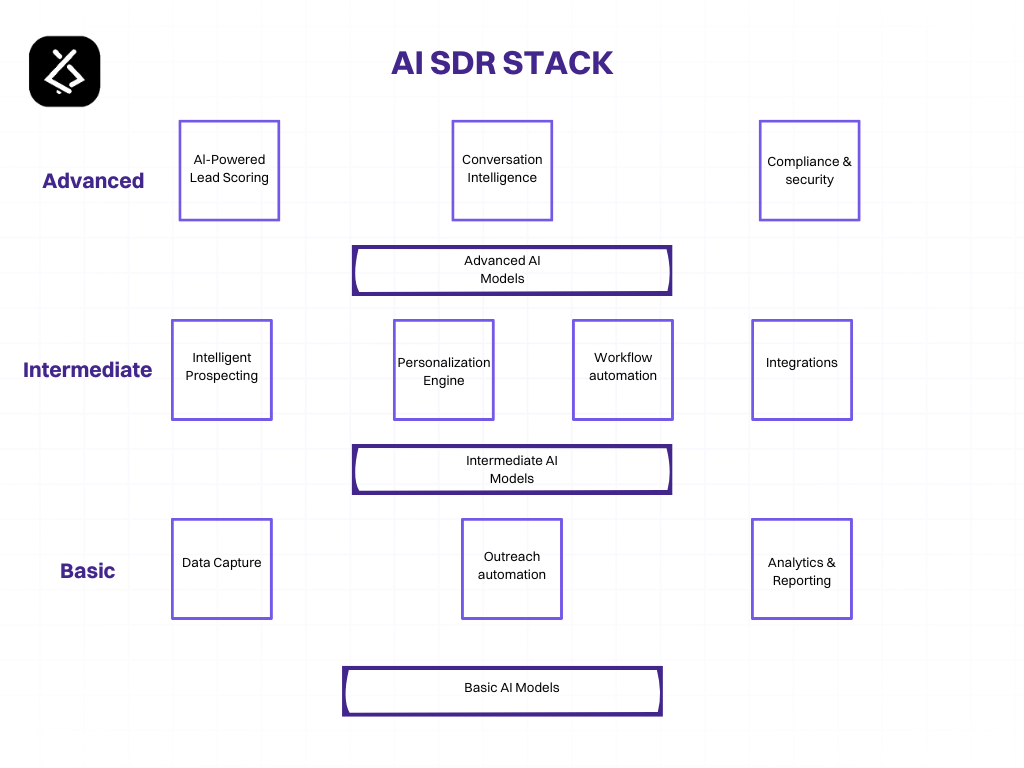
Best AI Tools for Sales Prospecting in 2025
Tool 1: Outreach AI
When it comes to AI sales prospecting tools, Outreach AI stands out as a real game-changer for sales teams in the US and beyond. As one of the best sales prospecting software 2025, it leverages artificial intelligence to streamline and personalize outreach efforts, making the entire process more efficient and effective. If you’re looking to harness AI for sales in the US, Outreach AI offers a suite of features that can help you identify, engage, and convert prospects faster than ever before.
One of the key strengths of Outreach AI is its ability to analyze vast amounts of data to predict which prospects are most likely to convert. This predictive analytics capability means your sales team can focus their efforts on high-potential leads, saving time and resources. Plus, the platform automates follow-up sequences, ensuring no opportunity slips through the cracks. The AI-driven insights also help in crafting personalized messages that resonate with prospects, boosting engagement rates.
Another aspect that makes Outreach AI a top contender among AI for sales in the US is its seamless integration with existing CRM systems and sales tools. This interoperability means your team can operate within familiar environments while benefiting from AI enhancements. Whether it’s automating email sequences, scheduling calls, or tracking engagement, Outreach AI simplifies complex workflows, allowing sales reps to focus on building relationships rather than managing data.
Tool 2: Apollo.io
Next up is Apollo.io, a powerhouse in the realm of AI sales prospecting tools. Recognized as one of the best sales prospecting software 2025, Apollo.io combines a comprehensive database with intelligent AI features to help sales teams find and connect with the right prospects. Its robust platform is especially popular among startups and SMBs in the US looking to scale their outreach efforts without breaking the bank.
What sets Apollo.io apart is its vast, constantly updated database of contacts and company information. This wealth of data, coupled with AI-driven algorithms, allows users to perform highly targeted searches based on industry, company size, location, and other criteria. The AI then suggests the most promising leads, enabling sales teams to prioritize their outreach efforts effectively.
Moreover, Apollo.io’s AI capabilities extend to email sequencing and engagement tracking. The platform can analyze open rates, click-throughs, and reply patterns to optimize messaging strategies. Its smart automation features help in nurturing leads over time, ensuring that prospects stay engaged throughout their buyer journey. For sales professionals in the US looking for a versatile, data-rich AI for sales in the US, Apollo.io offers an intuitive interface and powerful tools that make prospecting less of a chore and more of a strategic advantage.
Tool 3: InsideView
Finally, InsideView is a name that resonates with many sales teams seeking a comprehensive AI sales prospecting tool. Known for its deep market intelligence and real-time data updates, InsideView is often hailed as one of the best sales prospecting software 2025 for organizations that need accurate, up-to-date information to fuel their outreach efforts.
InsideView’s AI engine continuously scours the web and various data sources to provide sales teams with fresh insights about prospects and target markets. This real-time intelligence helps in crafting highly personalized and relevant outreach campaigns, which are crucial for success in a competitive landscape like the US market.
Beyond data, InsideView offers robust integration capabilities with popular CRM platforms, allowing sales reps to access insights directly within their workflow. Its AI-driven recommendations help identify cross-sell and upsell opportunities, as well as potential new markets. For sales teams in the US, especially those operating in complex or highly regulated industries, InsideView provides a layer of confidence and precision that can significantly boost prospecting success rates.
Emerging Trends in AI for Sales Prospecting
Predictive analytics and forecasting
When it comes to AI sales prospecting tools, predictive analytics and forecasting are truly game-changers. Imagine having a crystal ball that not only shows you who’s most likely to buy but also when they’re most receptive. That’s exactly what AI for sales in the US is beginning to deliver. These tools analyze vast amounts of historical data—think past interactions, purchase patterns, industry trends, and even social media activity—to identify signals that predict future behavior.
For sales teams aiming for the best sales prospecting software 2025, integrating predictive analytics means shifting from reactive to proactive strategies. Instead of cold calling a broad list of leads, AI helps prioritize prospects who are most likely to convert soon. This not only saves time but also boosts conversion rates significantly. For example, an AI-powered platform might flag a lead as “hot” because of recent website visits combined with increased engagement on social media, indicating high buying intent.
Moreover, these tools continuously learn and refine their predictions. As more data flows in, they become smarter, offering more accurate forecasts. This dynamic aspect of AI for sales in the US ensures that sales teams stay ahead of market shifts and customer needs, making their outreach more targeted and effective. In essence, predictive analytics turns raw data into actionable insights, empowering sales pros to focus their efforts where it counts most.
Integration with CRM systems
One of the most exciting trends in AI sales prospecting tools is seamless integration with CRM systems. Think of CRM as the nerve center of your sales operations—housing all your contacts, interactions, deals, and notes. Now, imagine AI working behind the scenes within that ecosystem, enhancing every touchpoint. This integration means that AI doesn’t just analyze data in isolation; it enriches your existing CRM data, providing real-time suggestions, lead scoring, and next-best actions.
For the best sales prospecting software 2025, integration is key. AI can automatically update lead profiles with new information gleaned from emails, social media, or website visits. It can also identify gaps in your data, prompting sales reps to gather missing details, ensuring your CRM remains a goldmine of accurate insights. This synergy reduces manual data entry and minimizes human error, freeing up your team to focus on building relationships rather than data management.
In the US, where sales cycles can be complex and competitive, AI-CRM integration helps teams stay organized and responsive. For instance, if a prospect shows increased engagement, the AI can alert the sales rep with recommended messaging or outreach timing. Plus, with AI-driven automation, repetitive tasks like follow-up emails or scheduling can be handled effortlessly, keeping the sales pipeline flowing smoothly. Ultimately, integrating AI with CRM systems transforms static data into a dynamic, intelligent sales engine.
Personalization at scale
Personalization has always been a cornerstone of successful sales, but doing it at scale has been a challenge—until now. Thanks to advances in AI for sales in the US, personalization at scale is becoming not just feasible but standard practice. AI sales prospecting tools can analyze individual customer data—preferences, behavior, purchase history—and craft tailored messages that resonate on a personal level.
Imagine sending a personalized email that references a recent webinar a prospect attended, their specific pain points, and how your solution can help—automatically generated by AI. This level of customization was once only possible for small segments or high-value clients, but now, AI allows sales teams to reach hundreds or thousands of prospects with personalized content in seconds.
For the best sales prospecting software 2025, this trend means leveraging natural language processing (NLP) and machine learning to create dynamic content that adapts to each recipient. AI can also predict the best communication channels and optimal times to reach prospects, increasing engagement rates. In the competitive landscape of AI for sales in the US, personalization at scale helps build trust and rapport faster, turning cold leads into warm opportunities without overwhelming your sales team.
Furthermore, AI-driven personalization extends beyond emails. It can tailor website experiences, recommend relevant content, and even customize sales pitches based on real-time data. This holistic approach ensures that every touchpoint feels relevant and human, even when scaled across large audiences. As AI continues to evolve, the ability to deliver hyper-personalized experiences at scale will be a defining factor for sales success in 2025 and beyond.
How to Choose the Right AI Tool for Your Sales Team
Assessing your sales needs
Before diving into the sea of AI sales prospecting tools, it’s crucial to understand what your sales team actually needs. Not all AI for sales in the US is created equal, and selecting the best sales prospecting software 2025 depends heavily on your specific goals. Are you looking to generate more leads, improve your outreach, or streamline your sales process? Pinpointing these needs will help you focus on tools that truly add value.
Start by asking yourself some key questions: What stages of the sales funnel are most challenging? Do you need better data insights, faster lead qualification, or more personalized outreach? For example, if your team struggles with identifying high-quality prospects, AI sales prospecting tools that excel at lead scoring and predictive analytics might be the way to go. If your challenge is nurturing cold leads, look for AI solutions that offer intelligent email sequencing and engagement tracking.
Remember, the goal isn’t to find the most hyped AI for sales in the US but to find the one that fits your unique sales process. Take time to analyze your current workflows, identify bottlenecks, and determine where AI can make the most impact. This clarity will serve as your compass in choosing the right AI sales prospecting tools that align with your sales objectives and help you stay ahead in the competitive landscape.
Budget considerations
When it comes to AI for sales in the US, budget is often a deciding factor. The best sales prospecting software 2025 spans a wide price range, from free or low-cost options to premium enterprise solutions. It’s tempting to go for the most advanced AI sales prospecting tools, but you need to balance features with your financial capacity.
Start by setting a clear budget range. Are you a small startup looking for affordable, easy-to-implement AI tools? Or are you a large enterprise willing to invest in comprehensive solutions that integrate deeply with your existing CRM and sales platforms? Remember, some AI tools charge per user, per lead, or have tiered pricing based on features. Be sure to understand what’s included in each plan and whether there are hidden costs like onboarding, training, or ongoing support.
Additionally, consider the ROI. Will investing in a more expensive AI for sales in the US significantly boost your conversion rates or shorten your sales cycle? Sometimes, spending a bit more upfront on a robust AI sales prospecting tool can pay off in the long run through increased efficiency and revenue. Don’t forget to explore free trials or demos to test whether the software aligns with your needs before making a commitment.
Ease of integration and user-friendliness
Even the most powerful AI sales prospecting tools won’t do much good if they’re a nightmare to integrate or use. When evaluating AI for sales in the US, prioritize solutions that seamlessly fit into your existing tech stack. Does the tool integrate smoothly with your CRM, email platforms, and marketing automation systems? Compatibility is key to avoiding data silos and ensuring a smooth workflow.
Look for AI sales prospecting tools that offer straightforward onboarding, clear user interfaces, and minimal learning curves. Sales teams are often busy, and complicated software can lead to frustration and underutilization. User-friendliness isn’t just about aesthetics; it’s about how intuitively your team can leverage the AI’s features to boost productivity.
Consider requesting a demo or trial period to assess how easily your team can adopt the new tool. Ask questions like: How much training is needed? Is there ongoing support? Will the AI suggestions and insights be understandable and actionable? The more intuitive the tool, the faster your team can start reaping the benefits, making it a worthwhile investment in the long run.
Implementing AI Tools Successfully in Sales Processes
Training Your Team
So, you’ve decided to bring AI sales prospecting tools into your sales process—great move! But the real magic happens when your team knows how to leverage these tools effectively. Think of AI for sales in the US as a shiny new gadget; without proper training, it’s just an expensive paperweight. To get the most out of the best sales prospecting software 2025, you need to invest in comprehensive training that demystifies AI and makes it accessible.
Start with foundational sessions that cover what AI is and how it fits into your sales strategy. Break down complex concepts into bite-sized, relatable examples—like how AI can identify high-potential leads faster than a human eye can scan a spreadsheet. Use real-world scenarios that resonate with your team’s daily routines, so they see immediate value.
Next, provide hands-on workshops where your salespeople can interact with AI sales prospecting tools firsthand. This could include simulated prospecting sessions, where they practice using AI to identify leads, prioritize outreach, or personalize messaging. Remember, familiarity breeds confidence. The more your team interacts with these tools, the more natural it will feel to incorporate them into their workflows.
Also, consider ongoing training programs. AI technology evolves rapidly, and staying updated is crucial. Regular refresher courses, webinars, or even quick tip sessions can keep your team sharp and eager to explore new features or best practices. Don’t forget to create a culture where questions are encouraged—sometimes, a quick chat about a hiccup can turn into a valuable learning opportunity.
Finally, champion a mindset shift. Encourage your team to see AI not as a replacement but as an assistant—an enabler that handles repetitive tasks, freeing them up for more strategic, high-value interactions. When your team understands that AI is there to augment their skills, adoption becomes smoother, and the benefits multiply.
Setting Clear Goals and KPIs
Before diving headfirst into AI sales prospecting tools, it’s essential to set clear, measurable goals. What exactly do you want to achieve with AI for sales in the US? Are you aiming to increase lead volume, improve lead quality, shorten sales cycles, or boost conversion rates? Clarifying these objectives helps you choose the right tools and tailor your approach accordingly.
Once your goals are in place, define specific KPIs that will help you track progress. For example, if your goal is to enhance prospecting efficiency, KPIs might include the number of qualified leads generated per week, the response rate to outreach, or the time spent per prospect. If you’re focusing on improving conversion rates, monitor the percentage of leads that move from initial contact to closed deals.
It’s also helpful to set benchmarks based on historical data. How did your team perform before implementing AI tools? Establishing a baseline allows you to measure the actual impact of AI sales prospecting tools against your previous performance. Remember, the goal isn’t just to use AI for the sake of it but to achieve tangible results that align with your overall sales strategy.
Communicate these goals and KPIs clearly to your team. Transparency ensures everyone understands what success looks like and how their efforts contribute to broader business objectives. Regular check-ins—weekly or monthly—are vital to assess progress, discuss challenges, and recalibrate strategies if needed.
And don’t forget to celebrate wins! Whether it’s hitting a target number of high-quality leads or reducing the time to close a deal, acknowledging progress boosts morale and encourages continued adoption of AI tools.
Monitoring and Optimizing AI Usage
Implementing AI sales prospecting tools isn’t a set-it-and-forget-it kind of deal. To truly harness their power, you need to keep a close eye on how they’re being used and continuously optimize their performance. Think of it as tending a garden—regular watering, pruning, and adjusting for growth.
Start by establishing dashboards that provide real-time insights into key metrics. These could include lead engagement rates, AI-generated lead quality scores, or the accuracy of AI predictions. Use these insights to identify patterns—are certain scripts or outreach times yielding better responses? Is the AI accurately identifying high-potential prospects?
Gather feedback directly from your sales team. They’re on the front lines and can provide invaluable insights into what’s working and what’s not. Maybe the AI is flagging leads that aren’t a good fit, or perhaps the messaging suggestions need tweaking. Regular feedback loops help you fine-tune the tools and ensure they’re aligned with your sales realities.
Furthermore, stay updated on the latest developments in AI for sales in the US. The landscape is evolving fast, and new features or integrations could significantly boost your results. Participate in webinars, industry forums, or vendor demos to stay ahead of the curve.
Optimize by experimenting with different settings, algorithms, or integrations. For example, if your AI prospecting tools allow for customization based on industry or buyer persona, adjust these parameters to better target your ideal clients. A/B testing different outreach sequences generated by AI can also reveal what resonates most with your prospects.
Lastly, set aside time for periodic reviews—monthly or quarterly—to evaluate overall AI performance. Are you meeting your KPIs? Are there bottlenecks or gaps? Use these reviews to recalibrate your approach, update training, or explore new AI features. Remember, the goal is to make your sales process smarter, faster, and more effective, and that requires ongoing attention and tweaking.
Challenges and Limitations of AI in Sales Prospecting
Data privacy concerns
One of the biggest hurdles when it comes to implementing AI sales prospecting tools is the ever-present issue of data privacy. As AI for sales in the US and beyond becomes more sophisticated, it relies heavily on vast amounts of customer data to generate insights and automate outreach. But with stricter regulations like GDPR in Europe, CCPA in California, and other privacy laws, companies need to tread carefully. If not managed properly, using AI for sales in the US can lead to legal complications, hefty fines, and damage to brand reputation.
Imagine deploying the best sales prospecting software 2025 without considering how it handles personal data—suddenly, you’re facing a data breach or a privacy lawsuit. This not only disrupts your sales pipeline but also erodes customer trust. Many organizations are now investing in secure data management systems and ensuring that their AI tools are compliant with privacy standards. Still, the challenge remains: how do you balance the power of AI in sales with the ethical and legal responsibilities of data privacy?
Another layer to this issue is the transparency of AI algorithms. Customers and prospects are increasingly aware of how their data is used. If AI sales prospecting tools operate as a “black box”—meaning users don’t understand how decisions are made—it can lead to skepticism and reluctance to engage. Transparency and consent are becoming non-negotiable, making data privacy concerns a critical limitation for AI in sales.
Over-reliance on automation
While AI for sales in the US and other regions offers incredible efficiency, there’s a fine line between leveraging automation and losing the human touch. Over-reliance on AI for sales can lead to a scenario where sales teams become too dependent on automated processes, losing the personal connection that often seals the deal.
Think about it: AI tools can generate leads, score prospects, and even send personalized emails. But can they truly replace the nuanced understanding and emotional intelligence of a seasoned salesperson? Probably not. Over-automating your sales prospecting efforts might result in prospects feeling like they’re just another number in the system, rather than valued individuals.
Moreover, excessive automation can cause a disconnect in communication. Automated messages might lack the warmth, empathy, or contextual understanding that a human can provide. This can lead to lower engagement rates and missed opportunities. The best sales prospecting software 2025 will need to strike a balance—using AI to augment human efforts rather than replace them entirely.
Another concern is that over-reliance on automation can lead to a kind of complacency. Sales teams might stop developing their skills, relying instead on AI-generated insights and outreach. This can be risky if the AI tools encounter errors or limitations, leaving teams unprepared to handle complex or unexpected situations.
Accuracy and bias issues
AI for sales in the US and elsewhere is only as good as the data it’s trained on. If the underlying data contains biases or inaccuracies, these issues can be amplified by AI sales prospecting tools. For example, biased data might lead to skewed targeting, where certain demographics are unfairly favored or ignored, resulting in missed opportunities or ethical dilemmas.
Accuracy is another major concern. AI models can sometimes generate false positives or overlook promising prospects due to flawed algorithms or incomplete data. This can lead to wasted time and resources chasing dead ends or missing out on high-potential leads.
Bias issues can be particularly tricky. If an AI sales prospecting tool has been trained on historical data that reflects existing prejudices, it might perpetuate those biases. For instance, it might favor certain industries, company sizes, or geographic regions over others, not because they are better targets, but because of skewed data patterns.
Addressing these issues requires continuous monitoring and updating of AI models, as well as diverse and representative training datasets. Companies need to be vigilant about the ethical implications of AI in sales and ensure that their tools promote fairness and accuracy. Otherwise, the limitations of AI in sales prospecting could undermine trust and effectiveness, no matter how advanced the technology becomes in the best sales prospecting software 2025.
Future Outlook: AI and Sales Prospecting Beyond 2025
Innovations on the horizon
As we look beyond 2025, the landscape of AI sales prospecting tools is poised for some seriously exciting innovations. The best sales prospecting software 2025 is already hinting at a future where AI isn’t just a helpful assistant but a core partner in the sales process. Imagine AI systems that can not only identify high-potential leads but also predict their future needs based on behavioral patterns, social media activity, and even subtle shifts in market trends. These AI for sales in the US, and globally, will leverage deep learning and natural language processing to craft hyper-personalized outreach that feels less like cold calling and more like a trusted conversation.
One of the coolest innovations on the horizon is the integration of AI with augmented reality (AR) and virtual reality (VR). Picture a sales rep donning AR glasses that overlay real-time data about a prospect during a face-to-face meeting or virtual pitch. These AI sales prospecting tools will analyze facial expressions, tone of voice, and even micro-expressions to gauge interest and adjust the pitch dynamically. Moreover, AI will become more proactive, suggesting next steps, content, or even scheduling follow-ups based on the prospect’s engagement level.
Another game-changer will be the evolution of AI-driven predictive analytics. These tools will go beyond simple lead scoring to forecast purchasing behavior months or even years in advance. AI for sales in the US and beyond will harness vast datasets, including economic indicators, industry shifts, and social sentiment analysis, to help sales teams prioritize efforts on prospects most likely to convert. This means less time wasted on cold leads and more focus on high-value opportunities, making sales cycles shorter and more efficient.
Impact on sales careers
With all these innovations, the role of sales professionals will undoubtedly evolve. The best sales prospecting software 2025 will empower reps with insights and automation, but it also raises questions about the future of traditional sales skills. Instead of spending hours cold calling or manually researching prospects, salespeople will need to become masters of interpreting AI-generated insights and building genuine relationships based on trust and value.
For many, this shift will mean a transition from transactional selling to consultative, solution-oriented approaches. Sales careers will increasingly require familiarity with AI tools, data analysis, and even basic coding or scripting skills to customize and optimize AI for sales in the US. The most successful reps will be those who can combine their emotional intelligence with technical savvy, turning AI insights into meaningful conversations and tailored solutions.
Additionally, the rise of AI will create new roles within sales teams, such as AI trainers, data analysts, and automation specialists. These roles will support the human side of sales, ensuring that AI tools are used ethically, effectively, and in ways that enhance the customer experience. Overall, sales careers will become more dynamic, tech-driven, and strategic, with a premium placed on adaptability and continuous learning.
Preparing for ongoing AI evolution
So, how can sales professionals and organizations prepare for this ongoing AI evolution? First off, embracing a mindset of continuous learning is crucial. Staying updated on the latest AI sales prospecting tools, understanding their capabilities, and experimenting with new software will give teams a competitive edge. Attending industry conferences, participating in webinars, and engaging with AI communities can help salespeople grasp emerging trends and best practices.
Investing in training is another key step. Companies should prioritize upskilling their teams in data literacy, AI ethics, and the effective use of AI for sales in the US. This not only boosts productivity but also fosters a culture of innovation and agility. Additionally, integrating AI tools seamlessly into existing CRM systems and workflows will maximize efficiency. The best sales prospecting software 2025 will be those that are user-friendly and adaptable to different sales processes.
Furthermore, organizations need to focus on ethical AI use, ensuring transparency and fairness in how AI influences sales decisions. Building trust with prospects by being transparent about AI-driven interactions and respecting privacy will be vital for long-term success.
Finally, fostering collaboration between sales, marketing, and data science teams will unlock the full potential of AI. When these departments work together, they can develop more sophisticated models, refine targeting strategies, and create personalized experiences that resonate deeply with prospects. The future of AI and sales prospecting beyond 2025 is bright, but it requires proactive preparation, a willingness to adapt, and a commitment to leveraging technology ethically and effectively.
Conclusion
As AI continues to advance, its role in sales prospecting becomes increasingly vital for businesses aiming to stay ahead in a competitive market. The best AI tools for 2025 offer capabilities that streamline lead generation, enhance personalization, and provide valuable insights that drive smarter sales strategies. By understanding the features and benefits of these technologies, sales teams can select solutions that align with their goals and integrate seamlessly into their workflows. Embracing AI not only improves efficiency but also opens new opportunities for building stronger customer relationships and closing more deals. Staying informed about emerging trends and continuously optimizing AI usage will ensure your sales efforts remain effective in the evolving digital landscape.