Substack opens itself for investment from writers & creators

Substack, the email newsletter subscription business, today announced it will allow its writers and creators to invest in its startup starting at $100 and increments thereof.

Substack is looking to raise $2 Million at a pre money valuation of $585 Million.

They have 2 million paid subscribers, and 35 million subscribers, allowing for $300M to be paid to writers (their goal is writers keep 86% of the money earned from subscriptions).

You do not have to be an accredited investor (have over $1 Million in liquid assets) to invest in the round, and can invest at least $2200 or even start at $1000.

I think the valuation at $585M is rich, relatively speaking but I dont know all the numbers.

Here are some assumptions based on the data provided:

  1. They are probably doing $150M to $200M in overall revenue given they have paid $300M overall to writers and have 2M paid subscribers. At an average of $7 per month per subscriber, it rounds up to $168M LTM (Last Twelve Months).
  2. Their take is 10% or about $15M to $20M, which is their “actual revenue).
  3. The growth rate seems tremendous, which I am assuming is over 100% YoY given 2 years ago they had only 100K paying subscribers.
  4. So $20M in revenue, growing at over 100% YoY and you are paying 25X to 30X in Market Cap to Sales – Very rich, but this is the private market. They still are probably stuck in 2021 valuations.

How to change your mind & admit you were wrong?

The basic assumption I make when I form an opinion about new things (technologies, processes, startups, etc.) is that my opinion will have to change over time.

As the amount of knowledge one has increases, the first opinion becomes less relevant.

The last weekend I participated in hackathon at Surf Incubator. The focus of the hackathon was AI, or more in particular OpenAI APIs. Every team had 3-5 hours to hack a new AI app.

The one I chose to build was FashionGPT, which would take your selfie or photo and give you 3-5 options on how you would look with the latest fashion outfits from luxury brands such as Gucci, Giorgio Armani, etc.

Created with AI. Endpoint with Prompts

It is a virtual trial room. You dont need to try new outfits, just see what you’d look like so you can share on Social media and get feedback before you decide to buy.

I worked with one other person, who quickly gave up and I complete the 3 modules – Javascript + HTML front end, Python at the back with Django on AWS. I pushed it to Github.

All the version 1 did was take your photo, then I asked ChatGPT for names of 100 top luxury brands, 100 top colors and 100 top outfits styles in 4 seasons (Fall, Winter, Spring, Summer).

The “prompt” to ChatGPT was a random combination of brand + color + outfit, using the create image endpoint, and then variations endpoint for 3 different colors and styles.

FashionGPT Website

Until yesterday I had a very poor impression of the term “prompt engineer”. I thought that was a BS job. Since there’s no specialized “google searcher” role, why do you need a “prompt engineer”.

Turns out teasing information from LLM is a lot harder when you are not expressive. Most people are not.

I spend nearly 1 hour trying to build a random prompt base so the model could give meaningful new images from the existing set of images plus the “secret sauce” – the prompt.

“Prompt engineer” is a thing. I was wrong.

Why you should try and limit the use of Word documents (offline) and move to Wiki / Google Docs

When you have a “Word document”, narrative style report – whether it is a PR/FAQ or a requirements document or any other:

  1. There is a tendency to automatically “Email” the document for sharing, comment, feedback, etc. That is the first sign of trouble.

The document now becomes unwieldy. Comments, overwrites, tracking changes, etc.

2. There is a need to create a visual from a lot of writing. Which means some variables in the document (e.g. dates of multiple releases) need to be parameterized.

The document now requires manual visual creation. Also a pain.

3. There is a need to convert the “document” to a presentation for sharing with larger audiences.

The content now needs rework in a new (presentation) format.

Which is why I have now given up writing on Office 365 and instead moved all the documents to Google Docs style shared writing or Notion style Wiki (or will use Microsoft Loop)

Created with Midjourney

What happens to your job with AI ? #ProductManager

I am going to write a series of posts on AI and in particular Generative AI. My focus is going to not be on the technology, but more the impact on specific jobs / roles.

Created using MidJourney : product manager using Generative AI

Some assumptions I am making:

  1. The generative AI genie won’t get put back into the bottle – meaning Governments cannot “regulate” companies to stop work on AI
  2. There will be a host of winners and losers from this move to Generative AI – within each role and type of person.
  3. While AI “evens the playing field for the “mediocre person” and the “good person”, the gap between the “great person” for a role and the others will only get larger with AI.
  4. Most roles will change dramatically, not be completely eliminated. Unfortunately, instead of a company needing 10 product managers, they might be able to achieve more with fewer (5 or even less)
  5. A small number of people (< 5% of the 1B on LinkedIn are active monthly users) are already using Generative AI in some form (ChatGPT, Jasper.ai) in their work already.

I am going to start with the Product Manager (PM). Specifically the technology software product manager. Not a Director or a Vice President, but just an individual contributor in a software company.

Most PMs (should) do 5 things well.

  1. Assess customer needs and determine how problems customer’s have get translated into requirements
  2. Prioritize what gets built by engineering / technology teams
  3. Price, Position and frame the product – enabling marketing and sales teams to promote and sell
  4. Collect customer feedback, track competitive landscape & measure profitability & market share
  5. Train sales & support teams on product and resolve issues to incorporate into future product roadmap.

While the top 5 sounds very strategic and important, the day to day is filled with drudgery of joining tables, making queries on multiple databases, Excel wrangling, Document writing, rewriting and rewrite the rewrite.

Created with MidJourney: a man with the drudgery of working with Excel, multiple queries, doing lots of data analysis

With almost every product that a PM uses daily – including Microsoft Office, Salesforce, HubSpot, Atlassian, etc. all announcing Generative AI in their products, the “drudgery” should go away, making most PM more productive.

Which leads to fewer PM. While AI might not “eliminate” jobs, it will still displace many junior PMs.

So how can you future proof yourself?

  1. Index on customer interactions, building customer trust and traction more than ever.
  2. Aggressively use as much Generative AI in all you do with the intent to be more productive.
  3. Research and keep up with trends and technologies outside your core functional PM job

New YouTube Video – Trading Strategies with Jim Matthews

I returned to doing a YouTube video interview last week with JJMStocks, or Jim Matthews. It was an enlightening conversation for 20 or so minutes.

We covered:

  1. How he go into trading / investing?
  2. Does he day trade, swing trade or invest for the long term?
  3. What are his favorite tools? Which is his go to charting solution?
  4. What is his trading strategy?
  5. How does he manage his emotions?

and more.

Why big technology will not hire as many as people any more

The image above is the TLDR version. Since I got a lot of feedback to extrapolate on the post, I am providing more color commentary and relevant links.

I believe the type and kind of people the big tech will hire when they start to again, will be dramatically different from the ones they let go or have in their organizations now.

To be clear I am not saying they won’t hire again, and neither am I saying they won’t be large, relevant or important employers.

What will happen is that they will hire more younger developers, designers, marketers and sales people and fewer “lateral” hires.

Younger people not only cost much less, they are also more likely to fully expect that AI will aid them be more efficient.

First some context:

  1. Developers are already using GitHub copilot to write 40% of their code, which they do not change at all.
  2. Designers are the early adopters of Generative AI, causing earnings at Fiverr and Upwork for remote designers to drop by 15% especially those who are “inexpensive but average”.
  3. Marketing people are early adopters of ChatGPT for content, reducing their reliance on agencies for content.
  4. Google employees criticize CEO Sundar Pichai for botched layoffs.
  5. Activist investors are taking aim at Salesforce CEO Marc Benioff and others over employee productivity. So, he cut costs by laying off people and impressed on his sales team to increase productivity.
  6. Meta has deemed 2023 as “year of efficiency” while it cuts more costs than it has to, and deprioritizes projects that have longer term impact.
  7. All the big tech companies are facing Government scrutiny – Apple over App store, Microsoft over acquisition of Activision, Facebook over antitrust, Amazon over MGM acquisition and Google over Double Click and display ads.
  8. Elon Musk fired about 61% o the Twitter staff after he purchased the company, raised prices on API access and still managed to introduce new features.

All this leads to what the trend is going forward.

  1. Fewer engineering managers hired. The rule of thumb used to be 5-6 at for junior managers and 8-10 employees per senior manager. I see that changing. The role of the manager will be more of a talent coach – recruit, advocate and cheer their direct reports, leaving the on-job coaching to senior developers, designers and marketers.
  2. Fewer individual contributors hired and most of them younger, less experienced. This will save them money and also allows them to encourage people to be more productive with AI
  3. Smaller, earlier acquisitions (tuck in, within a new product team), instead of the large acquisitions that they were used to.

Things you should know but dont #SiliconValleyBank

Most everyone has probably heard of or seen the Awareness & Knowledge 2X2 matrix. Often quoted, the “unknown unknows” are the ones that are said to be the cause a lot of angst.

Lets say you work at a startup in the Silicon Valley (SV). And you know about Silicon Valley Bank (SVB). It is the “banker to the startups”.

Most startups have their first checking account with SVB and continue to maintain that relationship as the grow, since they offer Venture Debt, Line of Credit and other products that most “mainstream” banks wont offer to SV startups.

You may also know that all banks make money by lending money at a higher interest rate than the rate the pay for their deposits. The difference is their revenue or “Net Interest Income”.

In 2020-2021 deposits for SVB grew significantly. From about $69 Billion to $189 Billion.

SVB, like most other banks, has to now “invest” that money into safe deposits – treasuries paying a low rate in 2021.

Fast forward to today and the rates are MUCH higher. Fed rates went up too high, too quick.

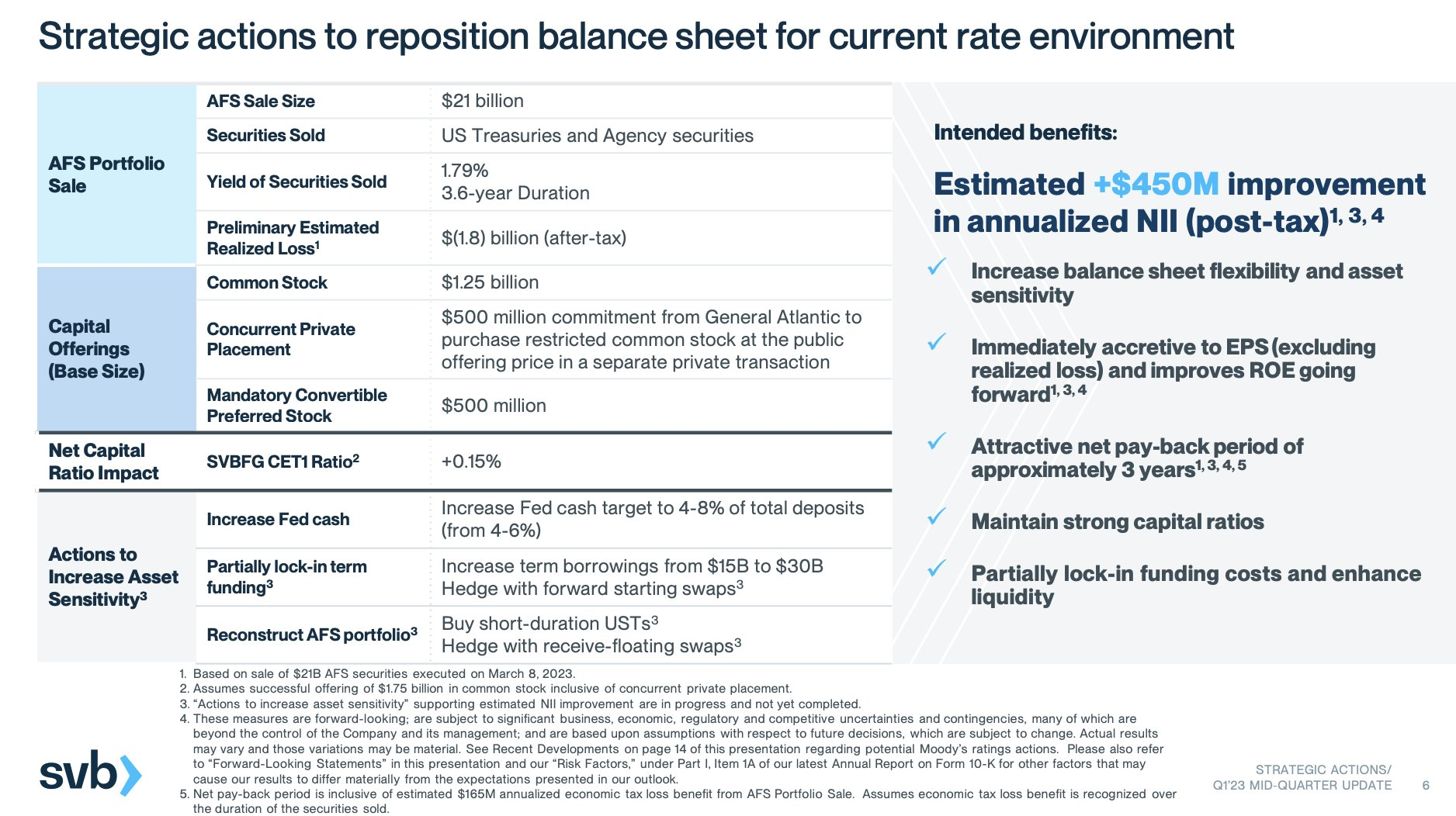
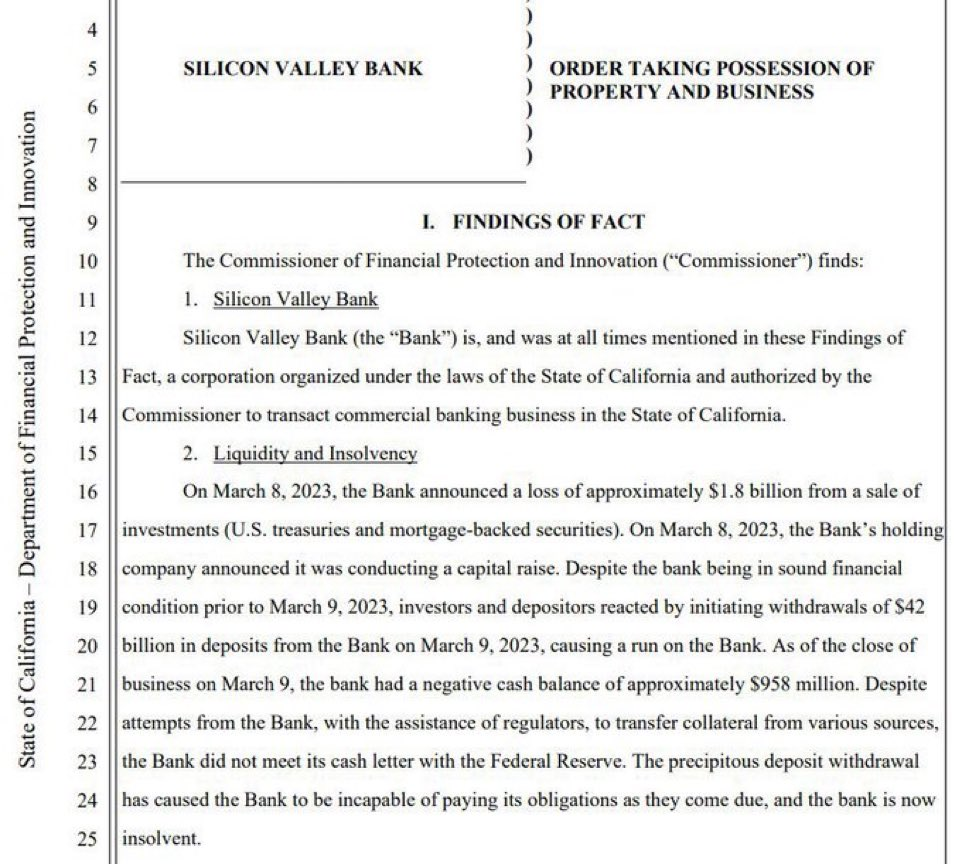
So the “safe investments” that SVB had in treasuries are now not worth as much any more. In fact they decided to take a loss of $1.8B. Which is a very small amount of money relative to their deposits.

To cover for those losses they were planning to sell stock to the tune of $2.5B.

Some account owners decided to withdraw their money from SVB – “To be safe”. That created a panic – called a Bank Run.

Well it turns out a lot of startups pulled money out of the bank. $42 Billion to be exact. Many startup founders mentioned their venture investors suggested they do it.

Thanks to the bank run, today, FDIC decided to fold SVB, which means every account with < $250K ( federal deposit insurance limit), is clear but those with higher deposits (92% of accounts) are stuck. Why did the FDIC do that? That’s because SVB no longer had funds to support the bank run.

But, those companies who raised a lot of money and kept it “safely” in SVB, will have to wait until after Monday when FDIC will find a new mechanism to get them the money.

You are still a startup employee, whose company has an account with SVB.

You did not know the exposure to bonds would now create a miss to your paycheck next month. Hopefully FDIC finds a buyer for SVB and keeps the entire bank “alive” – on Monday.

Historically, however from FDIC, “most bank failures for non-insured accounts got back 10 cents to 20 cents on the dollar deposited”.

In the last 2 days their stock has taken a big beating (down 60% in day 1 and another 60% day 2).

What you dont know.

How can you spot trends before they become “mainstream”?

While the best approach to be ahead of the curve is to invent a trend, many people dont have the luxury of time from their day job to invent or keep on top of trends within their industry or overall.

While many people are good at observing and keeping their eyes wide open, most people would like “another pair of eyes”.

I interviewed 5 people who spot trends within B2B, Marketing, eCommerce and consumer internet to understand their process. 4 of them now pay for a trend spotting SaaS product.

My initial thesis was that Venture Capitalists and seed investors are more likely to spot trends because they get so much inbound interest.

Turns out, most VC friends were asking me for trends in Platform Engineering, SaaS Control plane and headless eCommerce engines.

If you have the time, the process for following trends is simple:

a) Follow influencers & analysts in the space you are interested in,

b) track Google Trends, Trendsmap (Twitter Trends), Join many Facebook groups, etc. and

c)Subscribe to newsletters, blogs and YouTube content creators.

Unfortunately that takes time as well.

In the last 3-4 years several Trend spotting SaaS websites have started as well.

I wanted to share the 5 most useful trend websites, since each of them focus on specific niches and have their own pros and cons.

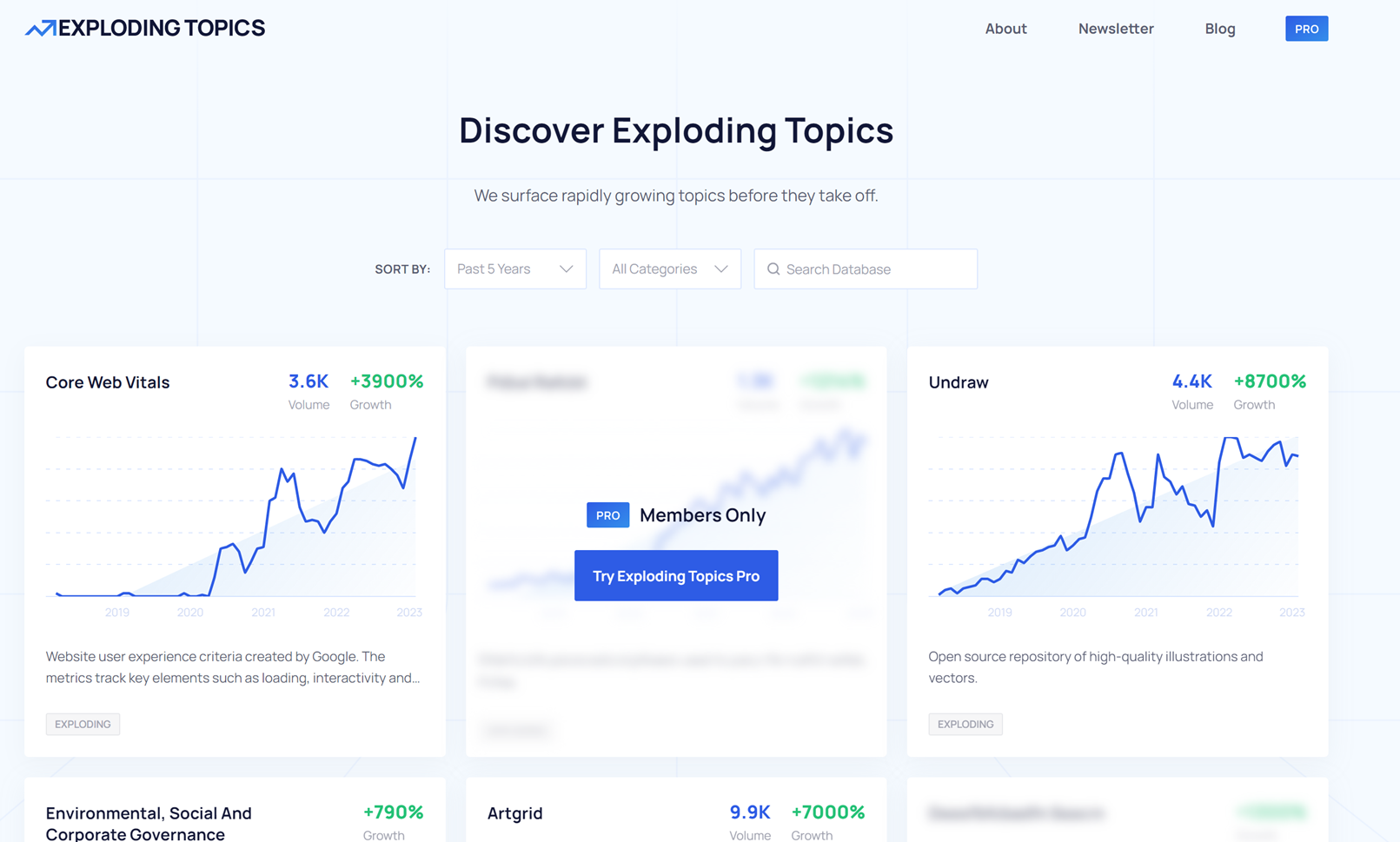
  1. Exploding Topics: The site has over 15K topics and trends. They do have a few newsletter for 1-3 trends and charge $39 to $299 per month for their Pro Version.

2. Trends.vc: Is a curated newsletter with top topics within a specific niche but is also a community of people (1000+) interested in trends. You can join the community ($299 annual or $99/month).

3. Treendly is similar to Exploding topics, and bills itself as Google trends “on steroids. Pricing starts at $99 per year, but the free version is a good place to start.

4. Trend Hunter is focused on ideas, trends and captures early kickstarter campaigns as well. Pricing starts at $24K per year, so this is focused on the enterprise segment.

5. Trend Watching has a self service tool, called Trend platform, that costs $900+ per month, so it is aimed at the corporate market as well.

Of the 5, I personally like Exploding topics the most. For personal use to track specific topics and areas for our business, the tool does a good job and has sufficient coverage in technology and developer trends.

Rethinking the Job search Experience

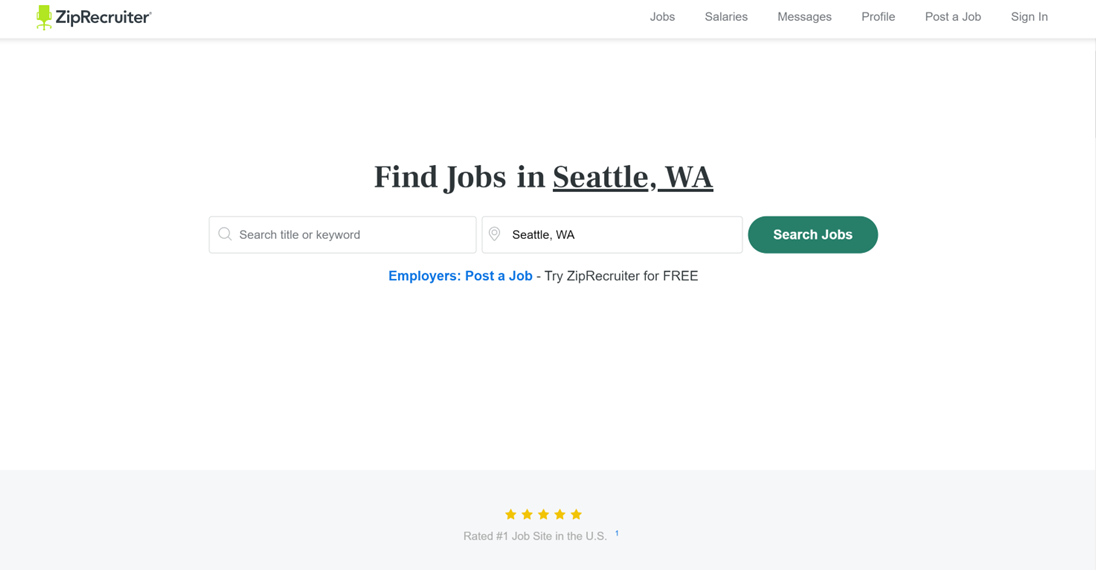
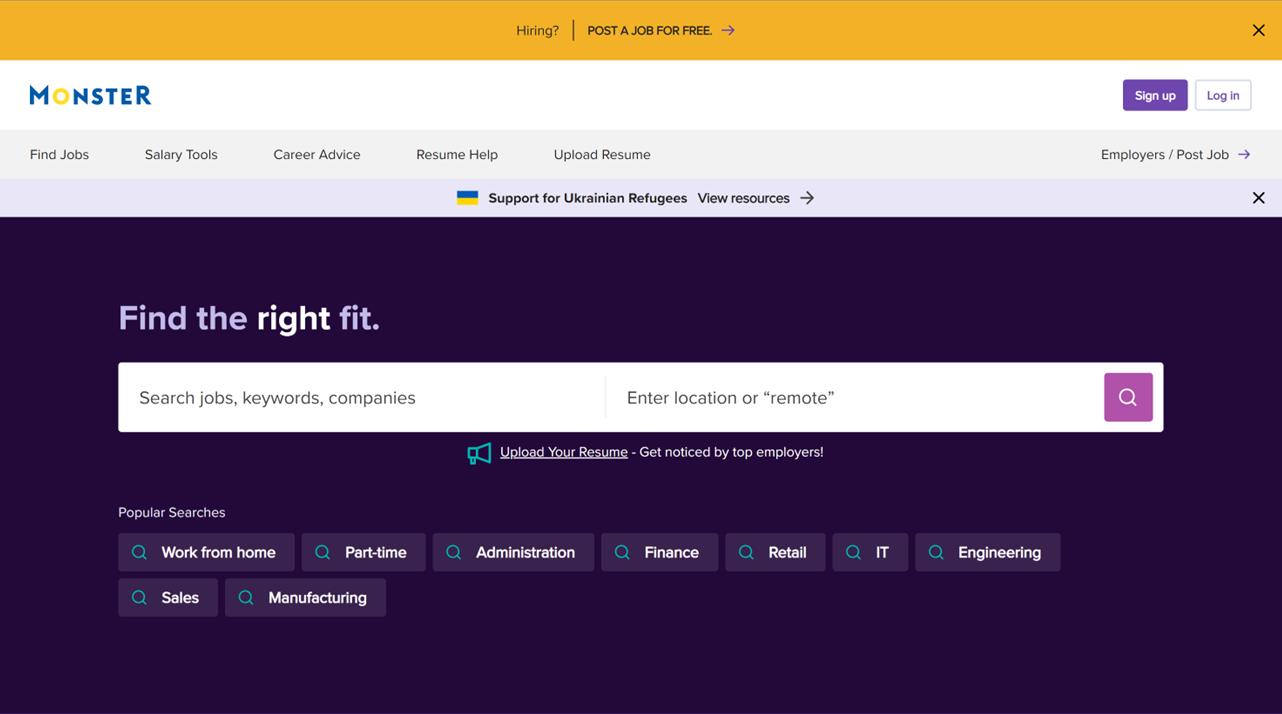
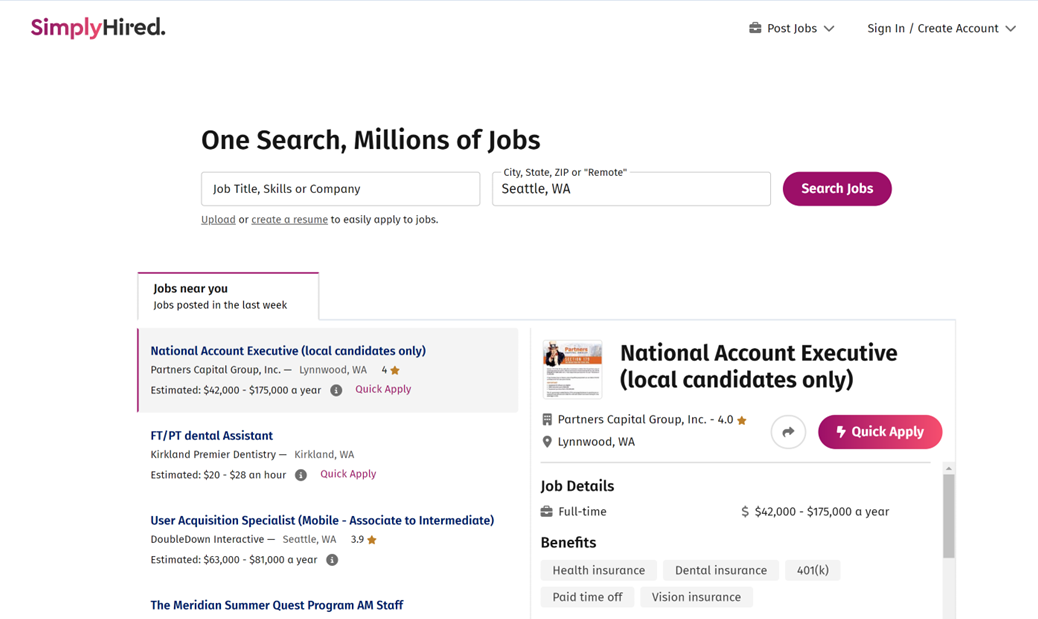
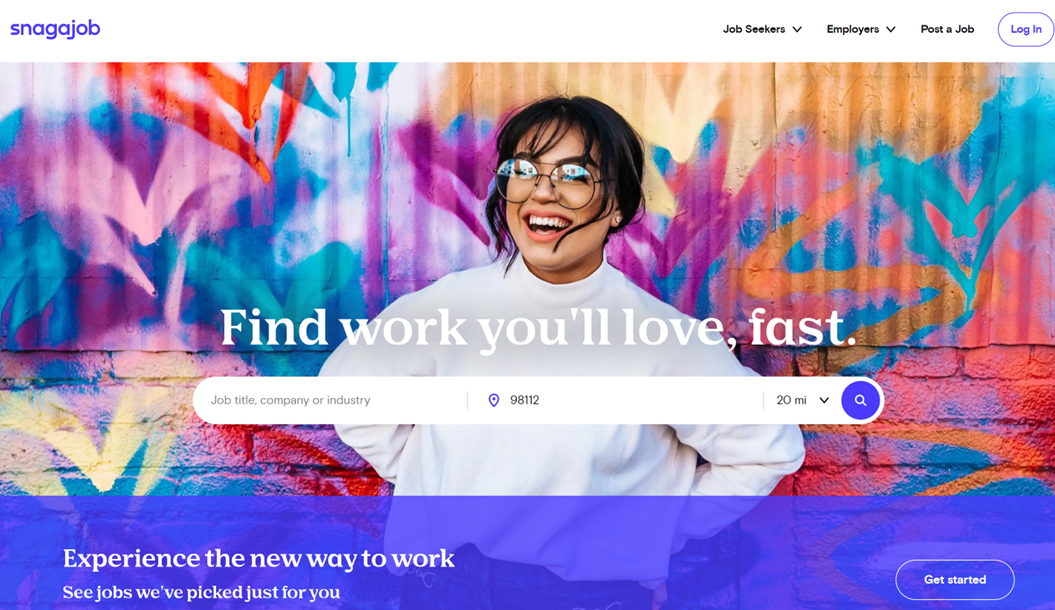
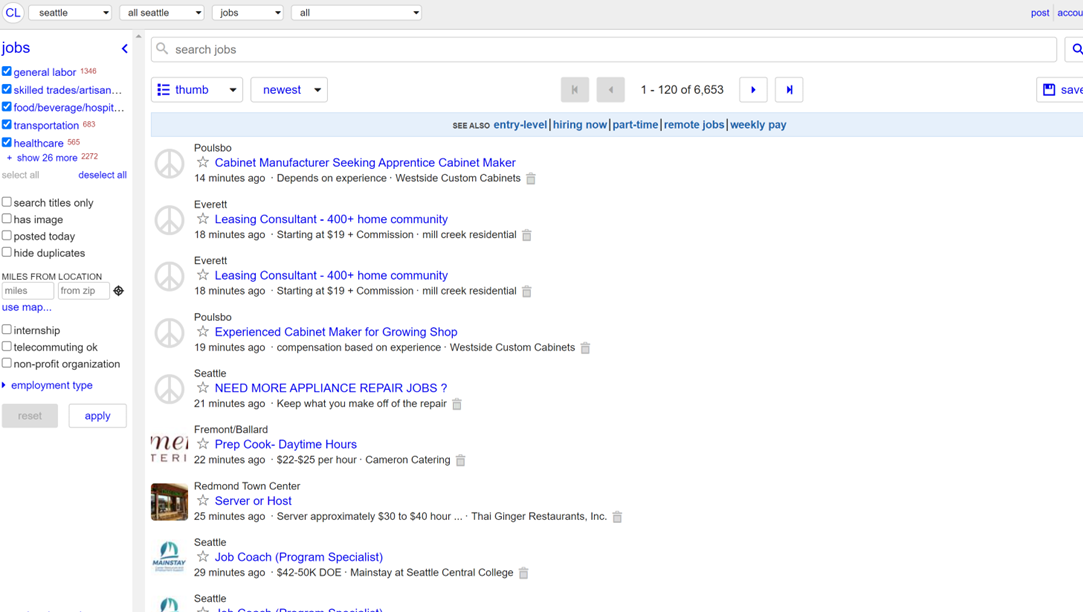
There are hundreds of “job listing websites” from AngelList to Ziprecruiter and LinkedIn to Indeed. The top 25 have consistency in their search, job listings (number of available jobs) and information about the job.

They all have the same user interface. I understand the value of simplicity and customer experience, but this is an area ripe for innovation.

  1. ZipRecruiter – Search Title or Keyword, and location.

2. Monster.com – “remote” is the only different word

3. Simply hired – same except for “Job Title, Skills or Company”

4. CareerBuilder – adds Military Code

5. SnagAJob – at least the background is not plain

6. Craigslist – at least the location is predetermined for you

7. USA Jobs – government jobs, but same

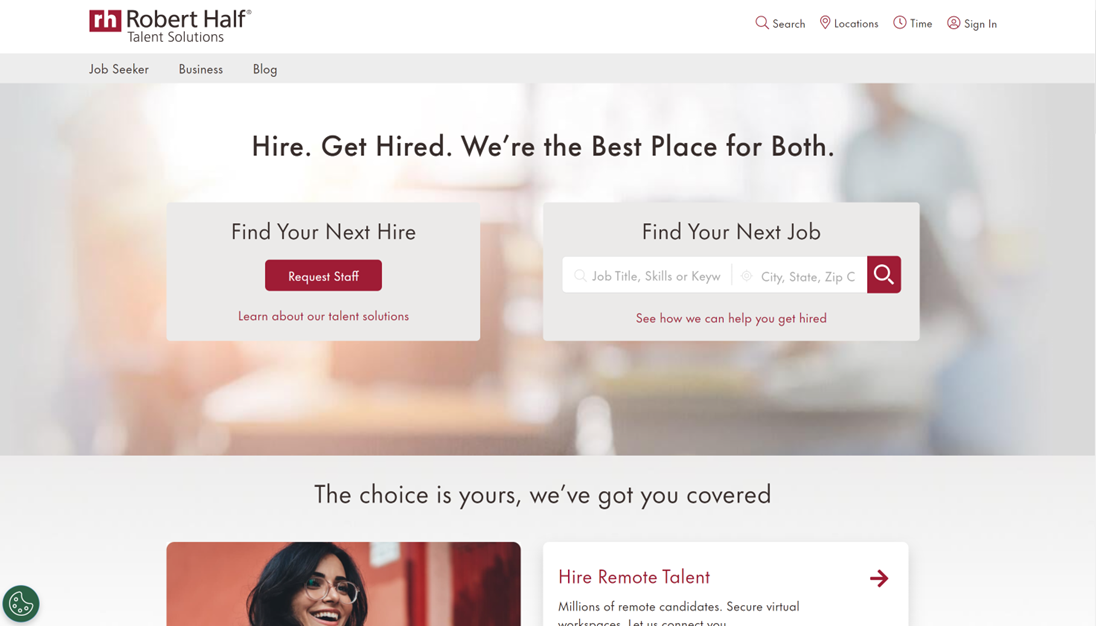
8. Robert Half

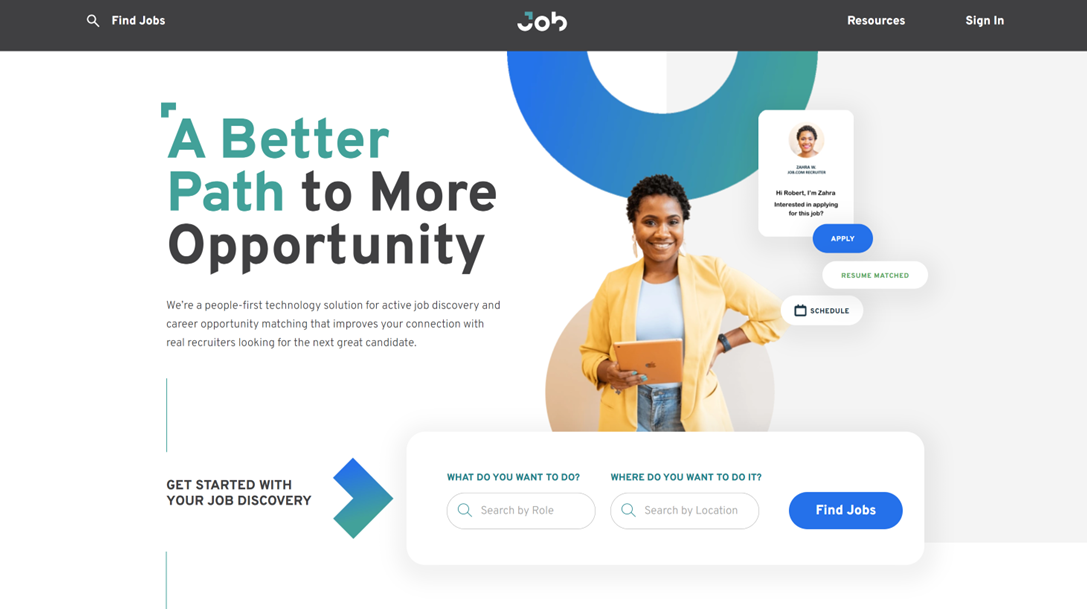
8. Job.com

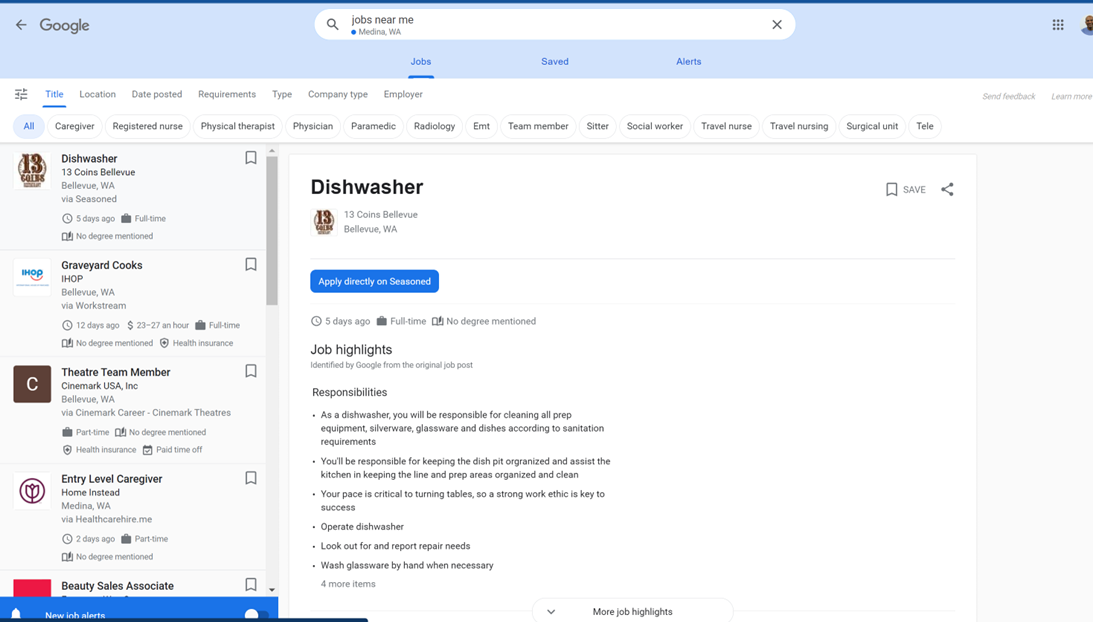
9. Google Jobs – the navigation that it provides begins on the top with one search bar

10. Indeed – more of the same

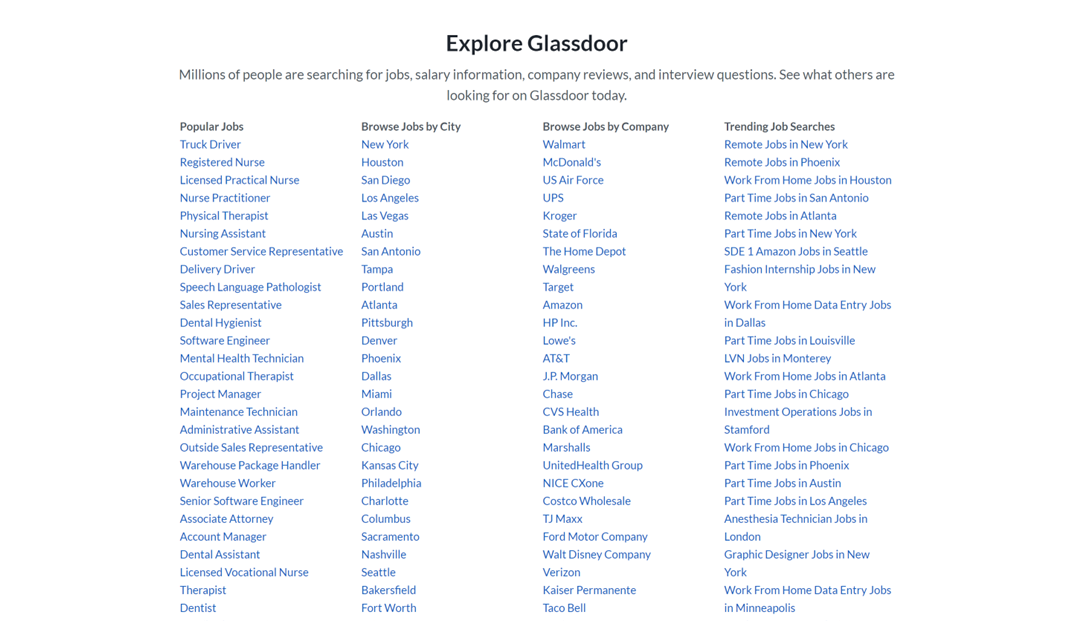
11. Glassdoor – Browse instead of search interface

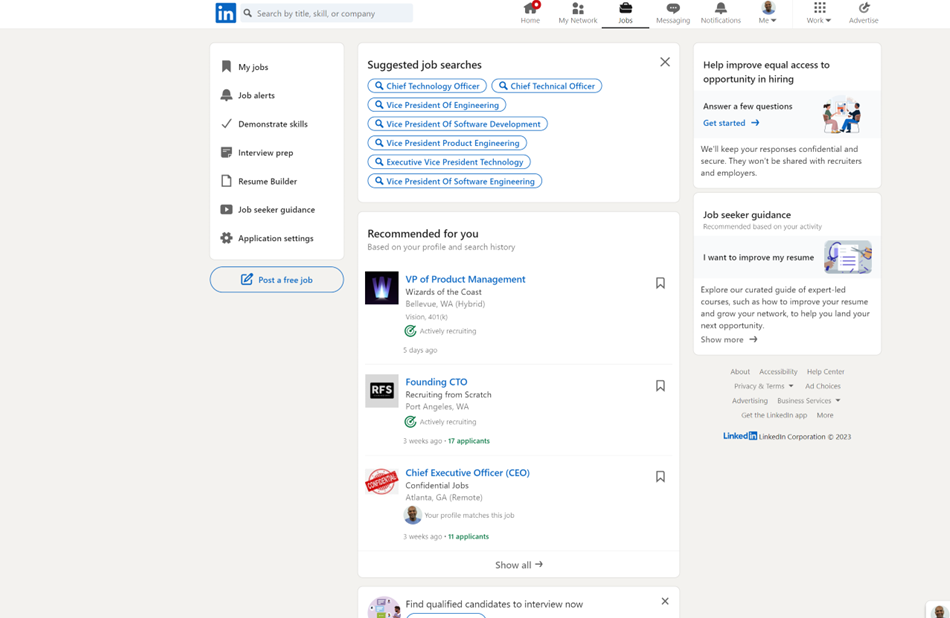
12. LinkedIn – Single search bar for jobs, even though they know a lot more about you

Is this what candidates want in 2023?

Most of the younger people I talk to dont seem to care about title and are happy to take on a different role than their past might indicate (unless it is a job that requires you to be local e.g., cook, bartender, etc.).

What candidates do care about is:

  1. Good manager
  2. Company culture
  3. Decent pay
  4. Growing industry
  5. Flexible hours
  6. Health benefits
  7. Professional coworkers and colleagues

What surprised me is even LinkedIn and Glassdoor not start with those elements, although they know that people care about these other aspects of the job more than location or job title.

If you were trying to build a new job board or website, I think you need to start with the meta data around those elements of the job first, although some maybe easy and others harder to obtain.

They way I would start is with the job posting. The company ( or individual) has to complete those sections (including pointing to Yelp-like reviews of the manager) such as culture, flexibility, benefits first.

That would allow you to help candidates filter by those criteria, or use a wizard-based interface to guide candidates through those questions before you help them with the right role or job.

Why LinkedIn Creator Mode is best for “temporary personal branding & campaigns”

LinkedIn has over 900 Million users as of 2023. Over 199 M of these are in the US and over 101 M in India. LinkedIn Creator mode was launched in March 2021.

A year later, over 10 Million users turned on Creator mode and 2 years in, 30 Million have turned it on. Less than 400K users, however publish weekly and fewer than 100K daily.

Creator mode offers 1/ LinkedIn Live ( video and audio streaming), 2/ Newsletters, and 3/ Follow link (instead of connect)

Having been using it for the last few months after an initial use in 2021 (Mar – Aug), there are 5 things I have learned about it. There are many articles on how to use it and why you should use it, but this post is focused on who should use it and for what purpose.

  1. I would only recommend LinkedIn creator mode if you are selling to businesses and have services that they desire. That means if you are an eCommerce company, consumer internet startup, etc. it wont give you the return on time spent.
  2. LinkedIn Creator mode (LCM) is best if you are offering services (consultants, non-fiction book authors, personal branding as a business coach, boutique small agency) as opposed to products (SaaS companies are not a good fit).
  3. LCM makes most sense if you intend to create content frequently – which ranges from daily to weekly. It is also helpful to have everything in one place – a newsletter, “Podcast”, live webinar, recorded video, etc.
  4. LCM is useful if you create content that does not drive traffic away from LinkedIn (i.e. link to your blog post, etc.) When I created content on my blog (outside LinkedIn) and posted a link on LinkedIn, the # of visits and views were < 100, but when I took that same content and posted a summary of the blog post in < 100 words, with no links and no hashtags (to test the platform), the number of views increased to > 2400.
  5. Since the content “lives” on LinkedIn, the discoverability is a lot harder with organic Google search. I took 3 articles which I ranked on the first page of Google search results organically (and have little competition for) and repurposed the content for LinkedIn, with some changes, but the LinkedIn optimized content does not show up in the first 2-3 pages of search results.

LCM makes sense if you do not want to spend money on hosting your own website, blog or podcast (which can be a cost and daunting for non technical folks, albeit easier now than ever before).

A big disadvantage of using the LCM newsletter is that you do not have access to the email addresses if you ever wish to move to a new platform (such as Substack for example).

One list of the top 200 LinkedIn creators shows most of them are personal branding coaches and career coaches.

Another angle to use is it for “temporary” branding.

Lets say you are in between jobs or taking a break in your career, or you wish to write a book, but that’s not going to be your main focus in the long term. LCM would be the best use of your time, with a low footprint, low cost approach to “temporary” personal branding or campaign.

Bottom line if you intend to be a consultant or freelancer, or offer a service (courses, tutorials, etc.) that appeals to career professionals, then LinkedIn Creator Mode may be a good option for you.

The personal blog of Mukund Mohan